Photo composition and the camera slant
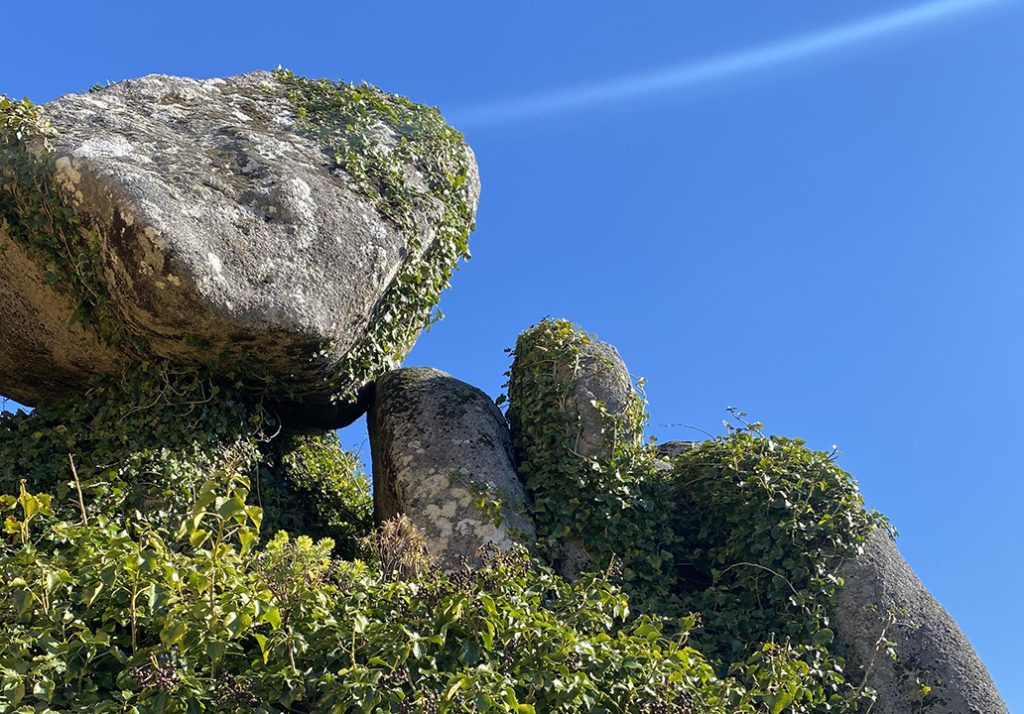
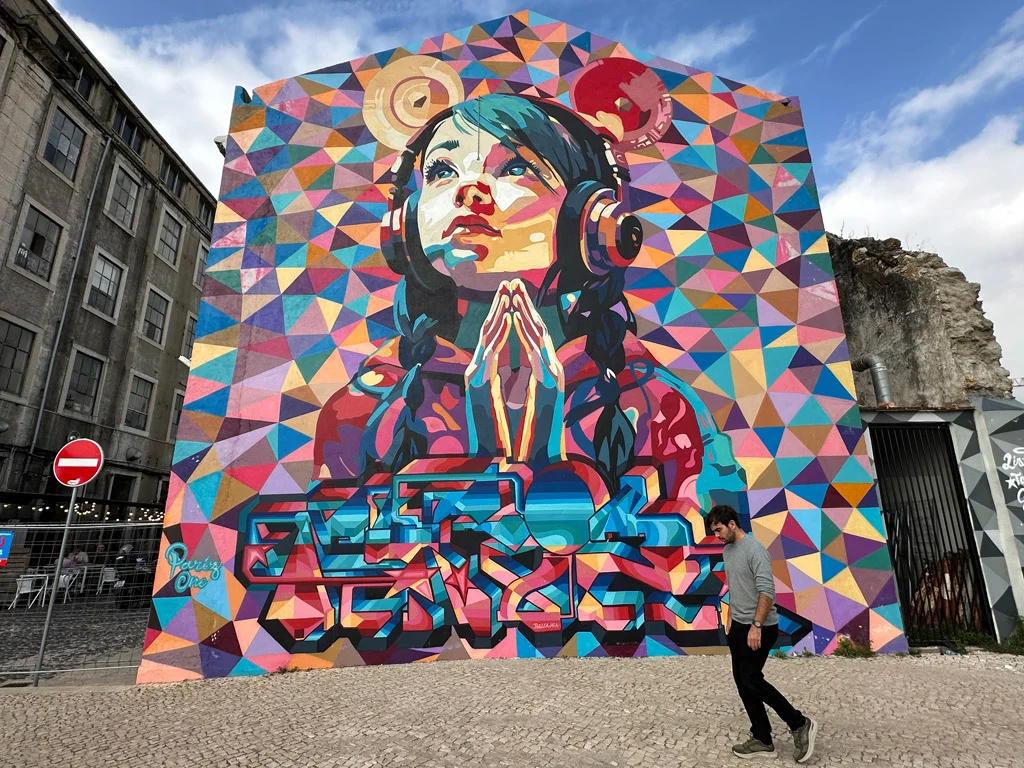
Look at the photos to see what I mean.
Remember, it’s up to you how much you want to slant the camera.

Shoot from a bird’s eye view and a mouse’s point of view!
Mobile shooters: If you shoot with your iPhone or other mobile device, don’t use a very wide angle lens, but don’t stress if you do- it’s a bit harder to control this on the phone cameras.
Why not use a wide-angle or fisheye lens?
The idea is to see things differently and to control your distortions.
You won’t learn about your camera and lenses when you use special lenses that distort because the lens will do all the work.
By the way, these different camera heights and angles don’t distort that much, but you will understand this better when you start shooting.
Photography is about your point of view and using different techniques, lenses, and cameras to develop your language. It’s about you and how you express yourself.
The mouse’s view
To shoot from a mouse’s point of view, you will need to lower your camera and have it as close to the ground as possible.
Slant your camera up, but use different angles. If you slant it at 45 degrees, you will get more sky or trees, but most importantly, you will get a great view of the world.

If you have a physical challenge and can’t kneel or lower your body, lower the camera to your waist level.
The mouse’s eye level

Keep your camera straight, lower the camera close to the ground, and pretend you are a mouse walking around. This will not distort but will allow you to tell your story from another angle, and it’s lots of fun!
Photographing a person from a mouse’s view
Did you know you should photograph someone from below to make them look more important?
The lower your camera is, the more important the person looks! The camera angle will be key to how important you want them to seem!
Practice with a statue!

If you are too close to your subject, the head will look small- so that person will look like a pinhead!

Step back from the subject and slant your camera up.

Step further away from the subject and raise the camera. I held this camera about 2 feet over my head.
Look how different these three photographs are just by changing the camera height, distance and angle.
The flying bird’s point of view
A flying bird has amazing views from up there! They can see a vast landscape or zoom in and see details.
Please do not use a drone for this part of the exercise.

A flying bird
There are several ways to photograph from above.
- Photograph from tall buildings for cityscapes.
- Photograph from tall hills for vast landscapes.
- Photograph from your eye or waist level and point your camera down using different angles.
Let’s keep this simple unless you are hiking!
Photograph from above your eye level or waist level. Change those angles to get different views of the camera. You can also shoot with the camera pointing straight down like you would when you do flatlays.
The emotional effect of photographing a person from above
Photographing from above and pointing your camera down is like looking down at someone.
A downward camera angle can be useful for many other reasons:
- Do you want to hide a person’s large neck? Place the camera just a few inches above their head and slant it slightly for a more complimentary image.
- Stand on a ladder and photograph the whole body for a fun and distorted view.
- Show the person doing something interesting, like playing an instrument, reading, or eating! A photo from above will make these activities more exciting than photographing from the front and placing the camera parallel to the subject’s face.
You can express yourself in many different ways just by changing the camera angle.
Photo tip suggestions

Shoot for two weeks or more using only these techniques.
It takes time to get used to new points of view and to understand how to use a new technique.

Why you should do this exercise
The mouse and the bird’s point of view will help you add a creative point of view to your landscapes and portraits.
Photograph with me! More tips here:
My photo tips are good for iPhones or SLR cameras.